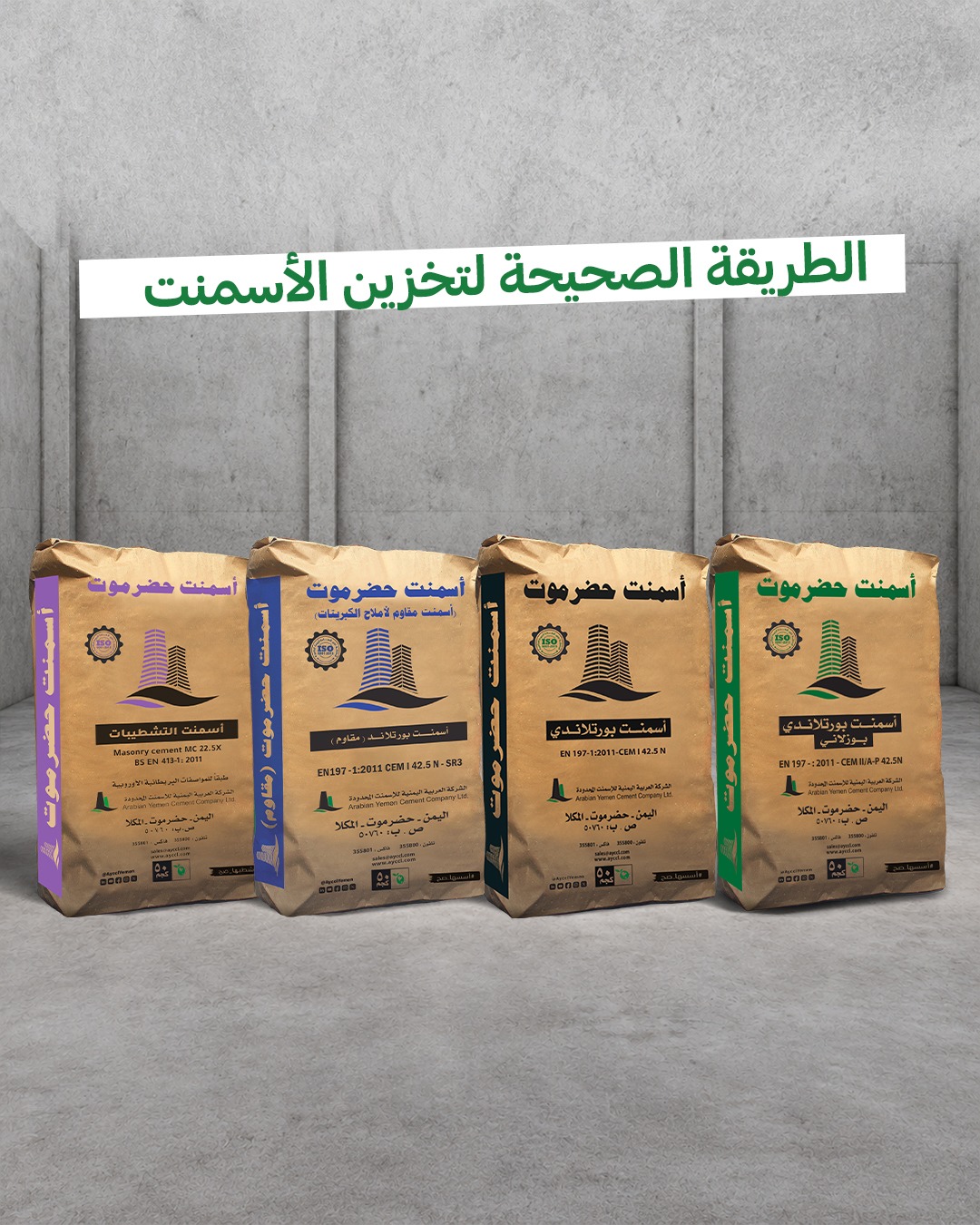
Maintaining
cement quality begins the moment it arrives at the warehouse. Cement bags may
be exposed to moisture during transportation or storage, especially when placed
directly on the ground, near damp walls, or in open areas. Therefore, proper
warehouse organization is not a secondary task; it is an essential part of
material quality management before the cement reaches the construction site.
Essential
Cement Storage Steps
1- choose a dry, well-ventilated warehouse that is protected from rain and any
sources of water leakage.
2- keep cement bags off the ground by placing them on sound, suitable pallets, and
leave adequate space between the bags and walls to allow for inspection and
proper ventilation.
3- cover the cement bags with a suitable protective cover without blocking
ventilation. Arrange the bags properly so that older stock can be used first,
after checking its condition.
4- separate shipments according to product type, classification, and
arrival date. Do not mix OPC, PPC, SRC, or MC products in the same row without
clear identification labels.
5- inspect cement bags before use. Torn packaging, moisture, unusual lumps, or
unreadable labels are all reasons to stop using the affected bags and refer the
condition to the responsible technical team.
Warehouse
Storage Checklist
|
Item
|
Acceptable
Condition
|
|
Floor
|
Dry and
clean, with cement bags raised off the ground.
|
|
Roof and
Walls
|
No water
leaks or signs of moisture.
|
|
Bag
Arrangement
|
Organized,
with clear aisles and proper separation between products.
|
|
Labels
|
Product
name, classification, and arrival date are clearly visible.
|
|
Ventilation
|
Adequate
ventilation without exposing cement bags to rain or moisture.
|
|
Handling
|
Bags are
not dragged or thrown in a way that could damage or tear the packaging.
|
Why Should
Damaged Cement Bags Not Be Used?
Moisture
can affect the condition of cement before it is mixed, and it may cause lumps
or other changes that cannot be reliably assessed by visual inspection alone.
Therefore,
damaged cement bags should not be used in construction or finishing works until
they have been assessed and approved by the responsible technical professional.
Any
questionable shipment should be isolated, photographed, and documented,
including the product number and arrival date. The case should then be referred
to the sales or quality team for further assessment.
Transporting
Cement from the Warehouse to the Construction Site
Cement bags
should be properly covered during transportation and should not be placed in
areas exposed to rain or water.
At the
construction site, the same basic principles should be followed: keep cement
bags raised off the ground and protected from moisture.
Cement bags
should also not be left uncovered near concrete mixers, washing areas,
excavations, or other locations where they may be exposed to water or excessive
moisture.
Conclusion
Proper
cement storage protects the product from one of the most important causes of deterioration
before use.
Keep the
warehouse dry, raise cement bags off the ground, separate products clearly, and
implement a consistent inspection and handling system.
When there
is any doubt about the condition of a shipment, do not use it until it has been
reviewed by the responsible technical professional.
For more
information, please contact Arabian
Yemeni Cement Company Ltd. (AYCCL) Customer
Service.
 معاً نبني اليمن